 ← All dental treatments
Periodontal Treatment
Gum disease is one of the most common chronic conditions in adults - and one of the most treatable when caught early. We offer thorough periodontal assessment, deep cleaning, root planing and structured maintenance programmes to halt disease progression and preserve your teeth.
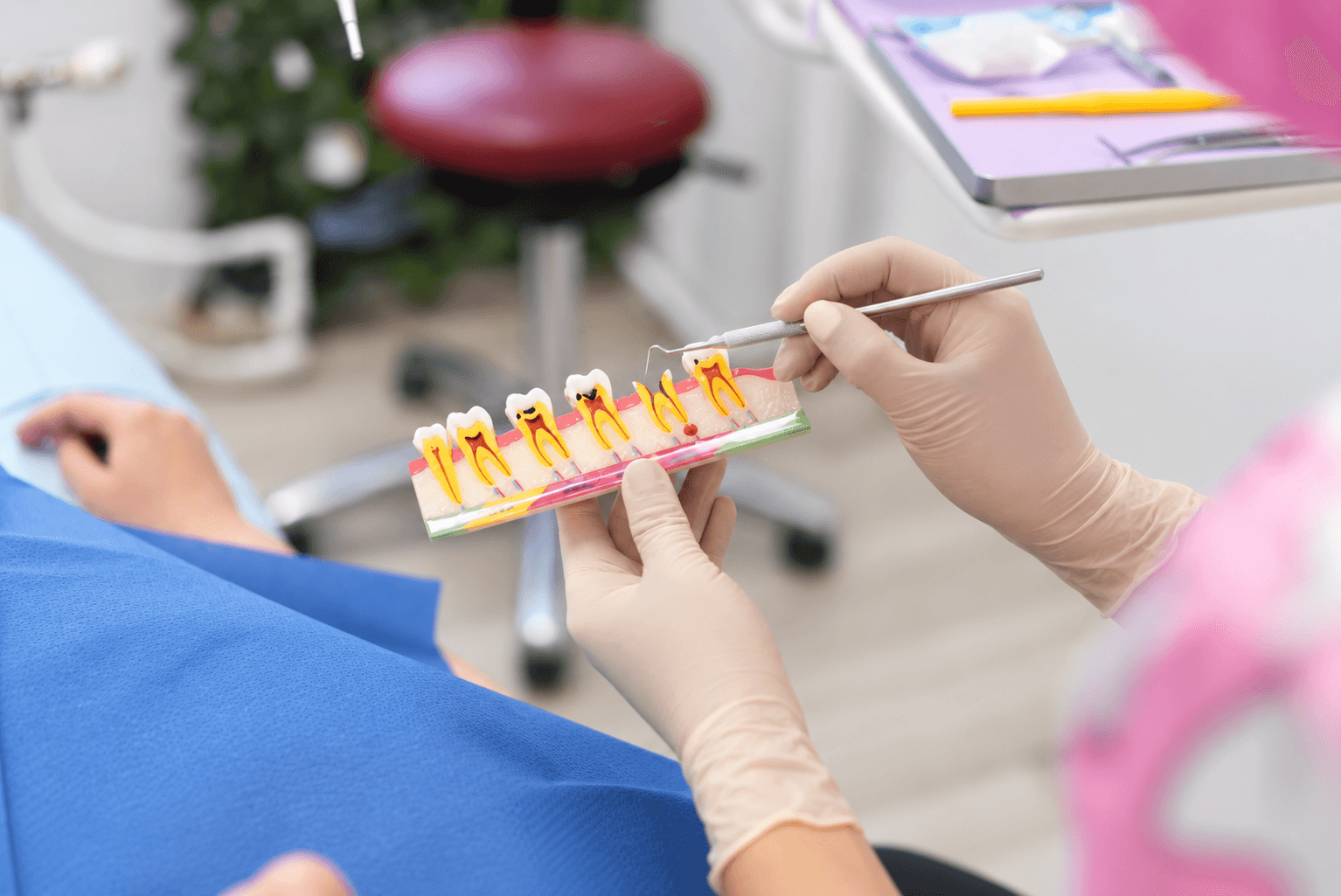
Periodontal disease begins with gingivitis - inflammation of the gums caused by bacterial plaque that accumulates along the gumline. At this stage, the gums may bleed when you brush, appear red and swollen, and your breath may be persistently unpleasant. Gingivitis is fully reversible with professional cleaning and improved home care.
If left untreated, gingivitis can progress to periodontitis - a more serious condition in which the infection spreads below the gumline, destroying the connective tissue and bone that hold teeth in place. Periodontal pockets deepen, teeth loosen, and without intervention, tooth loss follows. Periodontitis is also linked to increased risk of cardiovascular disease, diabetes complications and other systemic conditions.
Treatment begins with a comprehensive periodontal assessment: we measure pocket depths around every tooth, evaluate bone levels on X-rays and identify the specific risk factors driving your disease. Based on this assessment, we create a personalised treatment plan that may include scaling and root planing (deep cleaning), antimicrobial therapy and - in advanced cases - referral for surgical intervention.
The most important part of periodontal treatment is what comes after: a structured maintenance programme with regular professional cleanings at intervals tailored to your disease severity. With consistent care, most patients can halt the progression of periodontitis and keep their teeth for life.
- 01
Periodontal assessment
We measure pocket depths at six points around every tooth, evaluate gum recession, check for tooth mobility, and take X-rays to assess bone levels. This data forms the basis of your treatment plan.
- 02
Scaling
Bacterial plaque, tartar and toxins are removed from above and below the gumline using ultrasonic instruments and hand scalers. This is the critical first step in eliminating the source of infection.
- 03
Root planing
The root surfaces of affected teeth are carefully smoothed to remove embedded bacteria and create a clean surface that promotes gum reattachment. Local anaesthesia is used for comfort.
- 04
Re-evaluation
Four to six weeks after initial treatment, we reassess pocket depths, gum health and bleeding. This determines whether additional treatment is needed or whether the disease has responded to initial therapy.
- 05
Maintenance programme
You are placed on a structured recall programme - typically every three to four months - with professional cleaning and monitoring at each visit. This ongoing care is essential for long-term disease control.
Is gum disease reversible?
Gingivitis - the early stage - is fully reversible with professional cleaning and improved home care. Periodontitis causes permanent bone loss that cannot be regenerated, but with proper treatment, the disease can be halted and your remaining teeth preserved.
Does deep cleaning hurt?
We use local anaesthesia for scaling and root planing, so the procedure itself is not painful. Some tenderness and sensitivity in the days following treatment is normal and manageable with over-the-counter pain relief.
How do I know if I have gum disease?
Common signs include gums that bleed when brushing or flossing, persistent bad breath, red or swollen gums, gum recession, and teeth that feel loose. However, gum disease can progress silently. Regular dental check-ups with periodontal screening are the most reliable way to detect it early.
Can gum disease affect my general health?
Yes. Research has established links between periodontitis and cardiovascular disease, diabetes complications, adverse pregnancy outcomes and respiratory infections. Treating gum disease benefits your overall health, not just your mouth.
How often do I need maintenance visits?
Most periodontal patients benefit from professional cleaning every three to four months. Your dentist will determine the optimal interval based on your disease severity and response to treatment.
Other ways to healthy teeth, kept that way.
Guided Biofilm Therapy
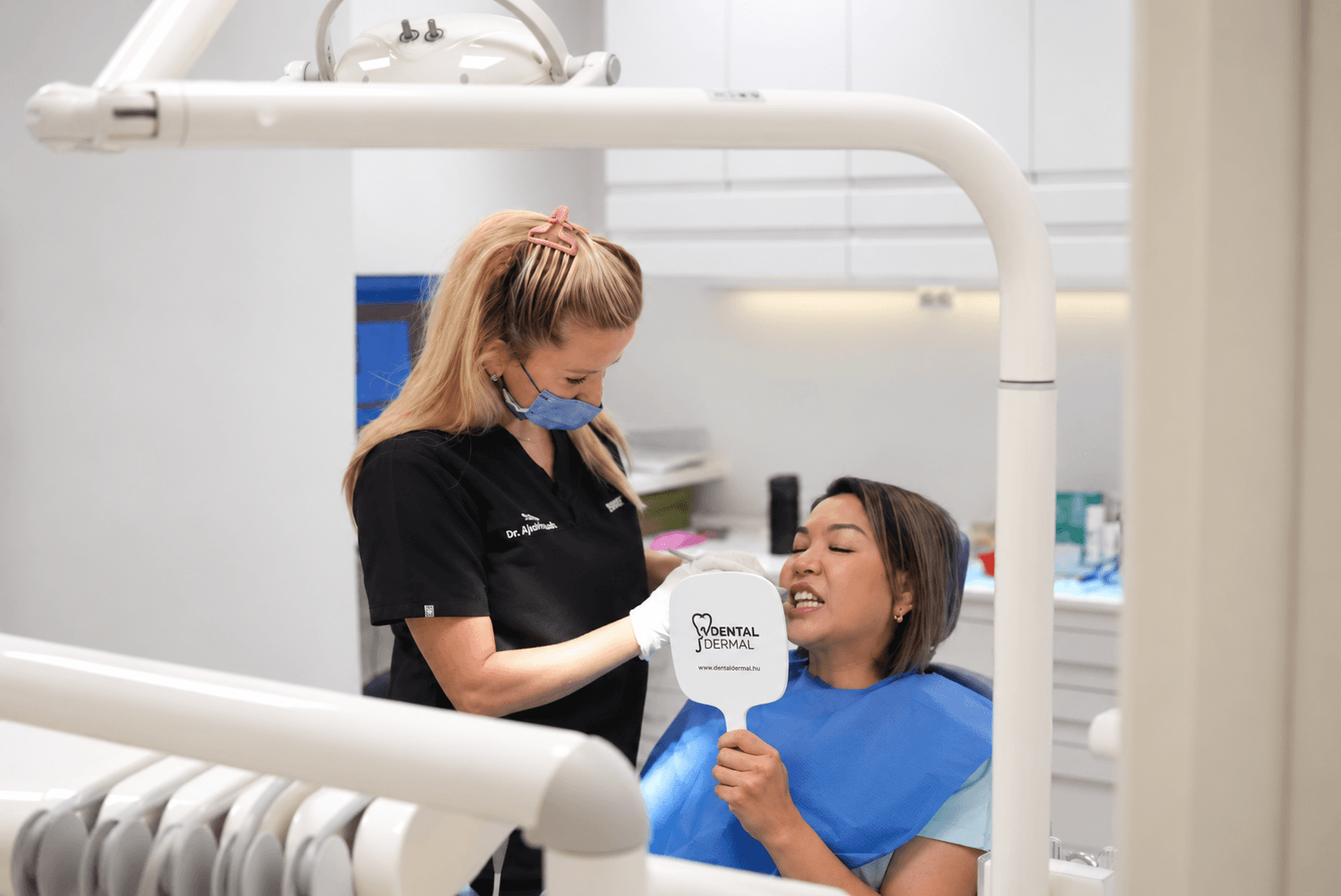
Guided Biofilm Therapy (GBT) is a modern, evidence-based approach to professional dental cleaning. Developed by EMS, the protocol follows eight clinically documented steps to remove biofilm, bacteria and tartar with maximum effectiveness and minimum discomfort.
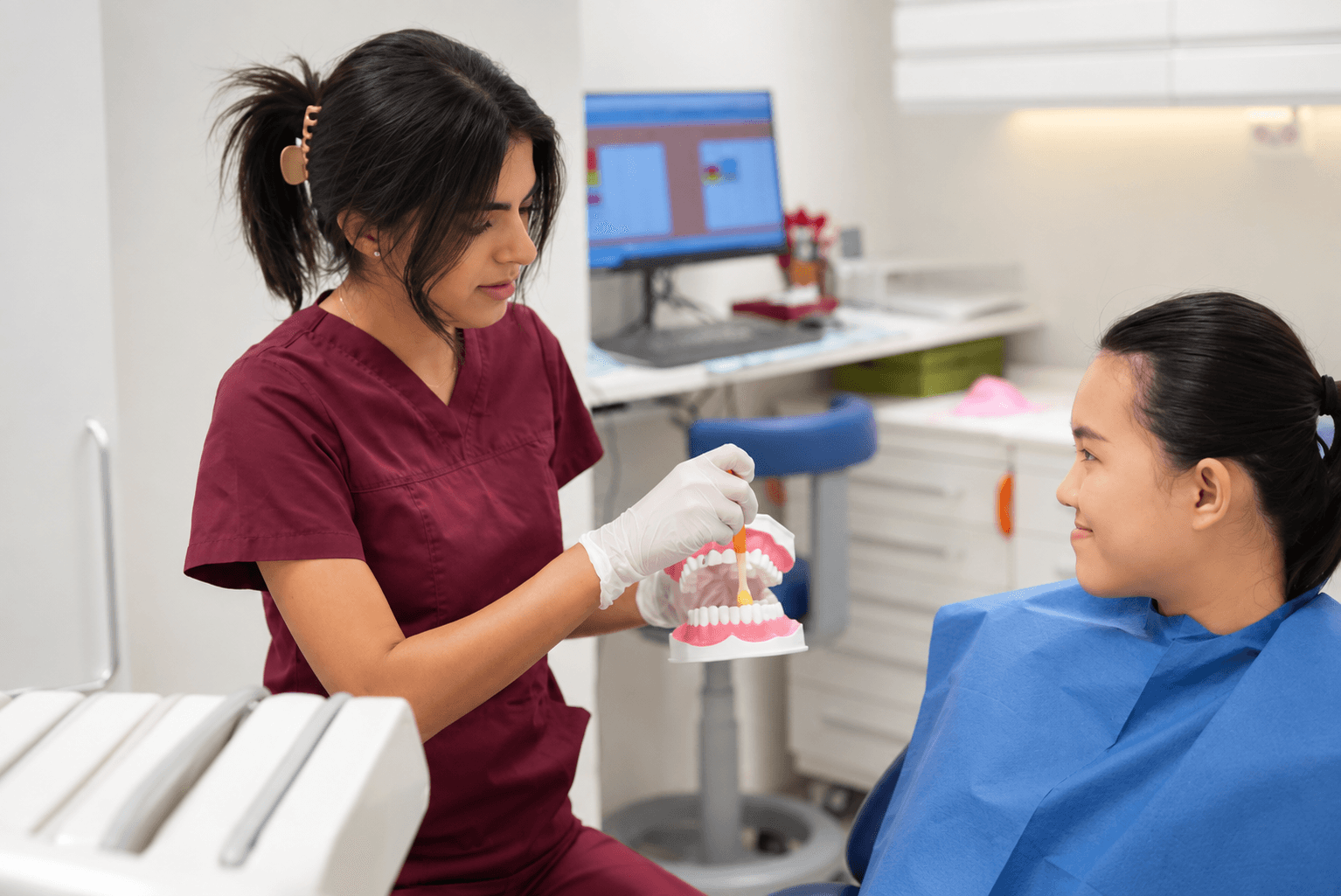
Prophylaxis
Preventive care is the single most important thing we do together. Regular check-ups and professional cleaning reduce your risk of dental disease and help you avoid costly, complex treatment down the road.
Dental Fillings
Dental fillings repair teeth damaged by cavities, fractures or worn-out restorations. We use modern, tooth-coloured materials - composite, glass ionomer cement (GIC) and porcelain - to restore function and appearance seamlessly.

Book your appointment, today.
Online booking - you choose the day and time that suits you.