 ← All dental treatments
Tooth Extraction & Oral Surgery
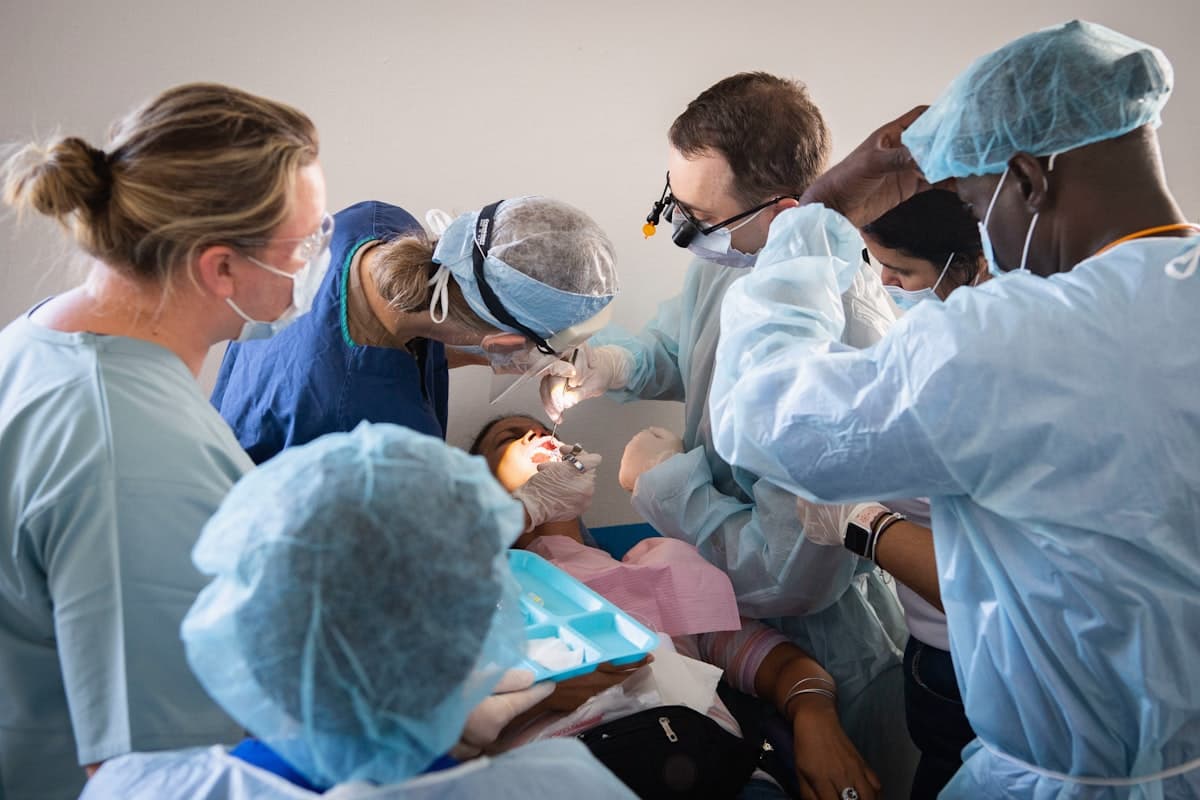
Sometimes a tooth cannot be saved. Whether the cause is severe decay, advanced gum disease, impacted wisdom teeth or a fracture below the gumline, we perform extractions with careful planning, precise technique and thorough aftercare.
Extraction is always a last resort at Dental & Dermal. We explore every option to save a tooth - fillings, root canals, crowns - before recommending removal. When extraction is the right decision, we ensure it is carried out safely, comfortably and with a clear plan for what comes next.
A simple extraction is performed when the tooth is visible above the gumline and can be loosened and removed with standard instruments. A surgical extraction is required when the tooth is broken at gum level, has curved or fused roots, or is partially or fully impacted in the jawbone - as is often the case with wisdom teeth.
Wisdom teeth (third molars) are the most commonly extracted teeth in adults. They frequently lack room to erupt properly, leading to impaction, crowding, infection or damage to adjacent teeth. We assess wisdom teeth with clinical examination and X-rays, and recommend removal only when there is a clear indication.
After every extraction, we provide detailed aftercare instructions and schedule a follow-up to monitor healing. If tooth replacement is needed, we discuss options including implants, bridges and dentures.
- 01
Consultation and imaging
Your dentist examines the tooth, reviews your medical history and takes digital X-rays (or a panoramic image for wisdom teeth) to assess root anatomy and proximity to nerves.
- 02
Anaesthesia
A local anaesthetic is administered to ensure the area is completely numb. For anxious patients or complex surgical cases, additional sedation options may be discussed.
- 03
Extraction
For a simple extraction, the tooth is loosened and removed with elevators and forceps. For a surgical extraction, a small incision is made in the gum, bone may be gently removed, and the tooth is sectioned if necessary for safe removal.
- 04
Site management
The socket is cleaned, any sharp bone edges are smoothed, and the wound is closed with sutures if needed. A gauze pad is placed for initial haemostasis.
- 05
Aftercare briefing
You receive written aftercare instructions covering pain management, diet, activity restrictions and warning signs. A follow-up appointment is scheduled.
Is tooth extraction painful?
No. The area is fully anaesthetised before we begin, so you will feel pressure but not pain. After the anaesthetic wears off, mild to moderate discomfort is managed effectively with over-the-counter pain relief.
Do all wisdom teeth need to be removed?
No. We only recommend removal when there is a clinical indication - such as impaction, recurrent infection, cyst formation or risk of damage to adjacent teeth. Wisdom teeth that have erupted fully and are easy to keep clean can often remain.
How long is the recovery?
For a simple extraction, most patients feel normal within one to two days. Surgical extractions, especially wisdom teeth, may require three to seven days of reduced activity. Full bone healing takes several weeks but does not affect daily life.
What can I eat after an extraction?
Stick to soft, cool foods for the first 24–48 hours - yoghurt, smoothies, soup (not hot), mashed potatoes. Gradually return to your normal diet as comfort allows, avoiding hard, crunchy or spicy foods near the extraction site.
What is dry socket?
Dry socket occurs when the blood clot in the extraction site is dislodged or dissolves prematurely, exposing bone. It causes significant pain and is treated with a medicated dressing. Following our aftercare instructions - especially avoiding rinsing and straws for 24 hours - greatly reduces the risk.
Other ways to healthy teeth, kept that way.
Guided Biofilm Therapy
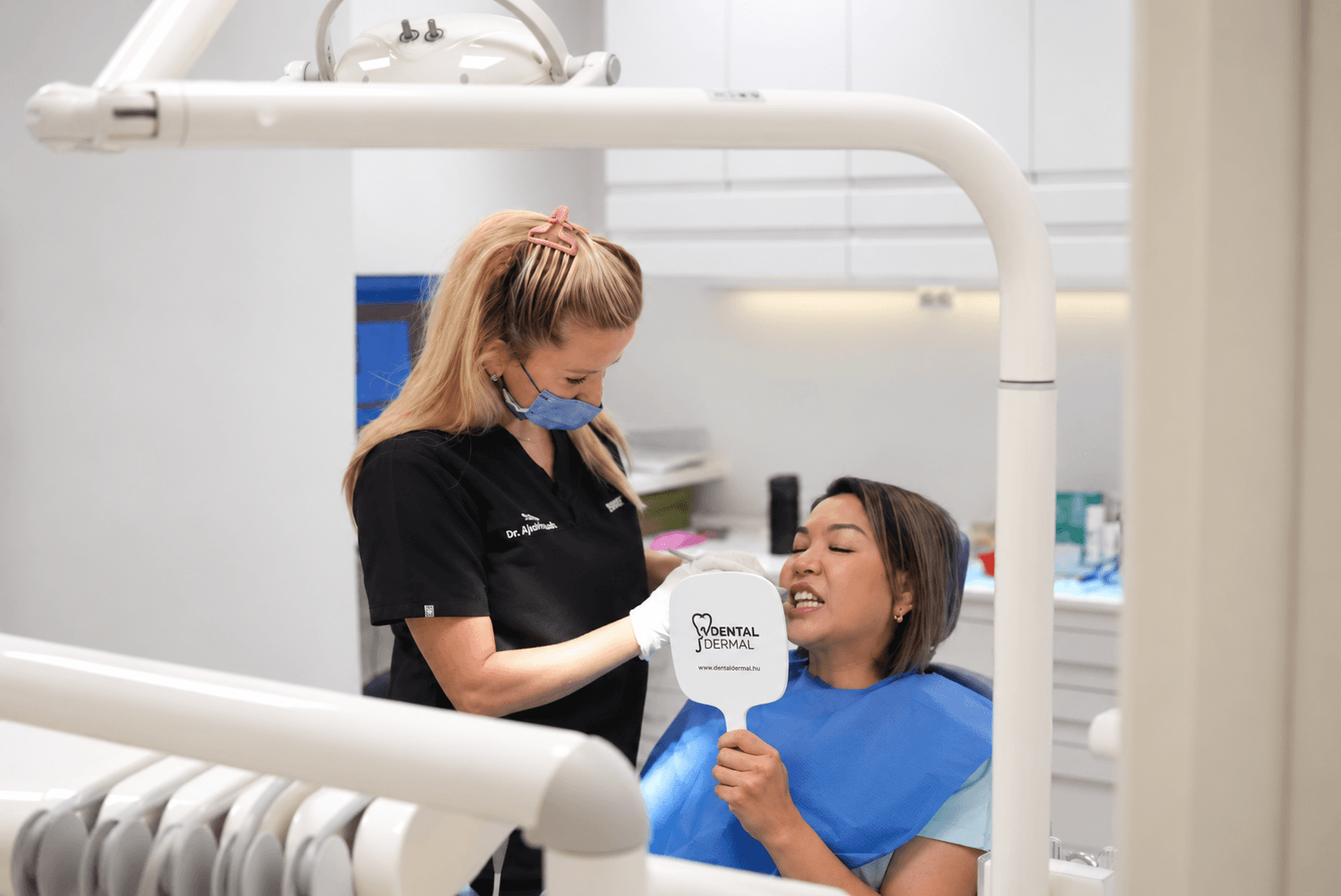
Guided Biofilm Therapy (GBT) is a modern, evidence-based approach to professional dental cleaning. Developed by EMS, the protocol follows eight clinically documented steps to remove biofilm, bacteria and tartar with maximum effectiveness and minimum discomfort.
Prophylaxis
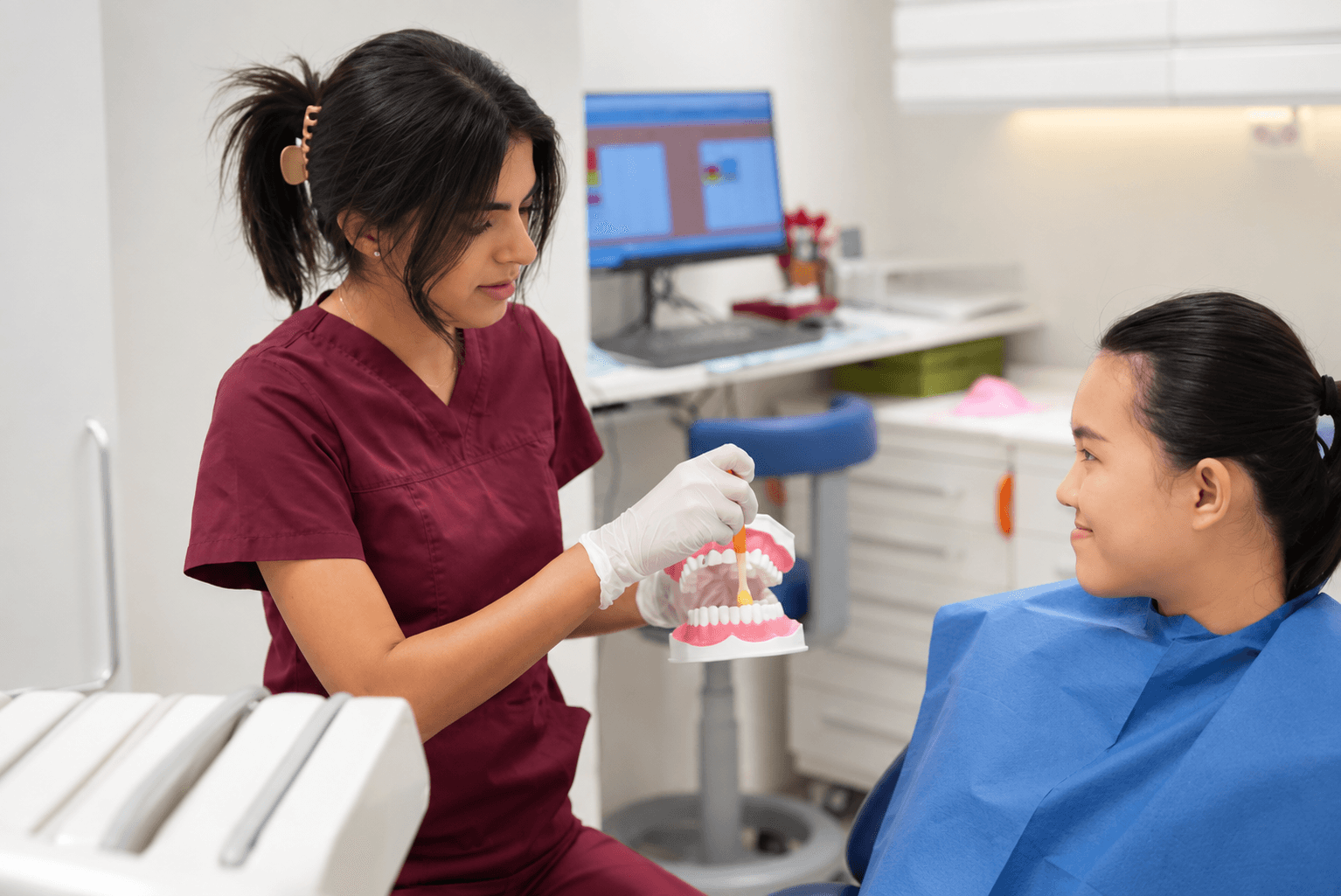
Preventive care is the single most important thing we do together. Regular check-ups and professional cleaning reduce your risk of dental disease and help you avoid costly, complex treatment down the road.
Dental Fillings
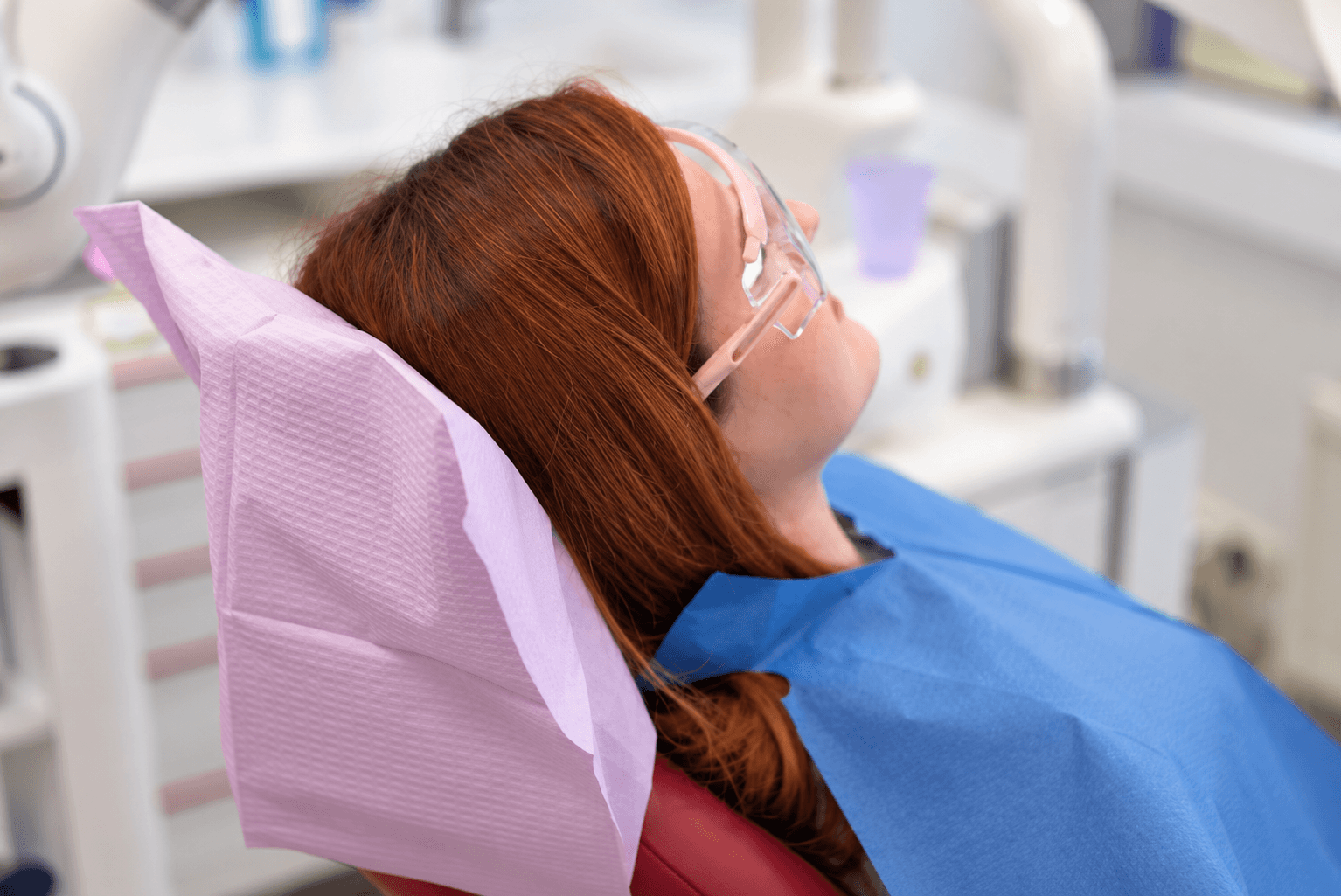
Dental fillings repair teeth damaged by cavities, fractures or worn-out restorations. We use modern, tooth-coloured materials - composite, glass ionomer cement (GIC) and porcelain - to restore function and appearance seamlessly.

Book your appointment, today.
Online booking - you choose the day and time that suits you.