

 ← All dental treatments
Root Canal Treatment
When the nerve inside a tooth becomes infected or irreversibly damaged, root canal treatment is the way to save it. We remove the compromised tissue, disinfect the canal system and seal the tooth to prevent further problems - preserving your natural tooth for years to come.
Deep inside every tooth lies the pulp - a soft tissue containing nerves, blood vessels and connective tissue that nourishes the tooth during development. When bacteria penetrate the pulp through a deep cavity, a crack or trauma, infection sets in. Without treatment, this infection can spread to the bone surrounding the root tip, causing an abscess, severe pain and eventually tooth loss.
Root canal treatment - also known as endodontic therapy - removes the infected or necrotic pulp, thoroughly cleans and shapes the root canals, and fills them with a biocompatible sealing material. The procedure eliminates the source of infection while preserving the natural tooth structure.
The treatment typically requires two to three visits. At the first visit, we access the pulp chamber, remove infected tissue and place a medicament inside the canals. At a subsequent visit, we complete the cleaning, shape the canals to their full length and seal them permanently. A final restoration - usually a crown - is then placed to protect and strengthen the tooth.
Modern root canal treatment is far more comfortable than its reputation suggests. With effective local anaesthesia and contemporary techniques, most patients report that the experience is no more uncomfortable than having a filling placed.
- 01
Diagnosis and X-ray
Your dentist takes a periapical X-ray to assess the extent of infection and the anatomy of the root canals. The tooth is tested for vitality.
- 02
Access and cleaning (visit 1)
Under local anaesthesia, an access opening is made in the crown of the tooth. The infected pulp tissue is removed and the canals are cleaned with specialised instruments and disinfecting solutions. A medicament is placed inside and a temporary filling seals the tooth.
- 03
Shaping and filling (visit 2)
The medicament is removed, the canals are shaped to their full working length and dried. They are then filled with gutta-percha - a biocompatible rubber-like material - and sealed with a cement to prevent re-infection.
- 04
Final restoration
Once the root canal is complete and the tooth is symptom-free, a permanent restoration - typically a crown - is placed to protect the remaining tooth structure and restore full function.
Is root canal treatment painful?
No. With modern anaesthesia, the procedure itself is virtually painless - most patients compare it to having a filling placed. The purpose of the treatment is to relieve the pain caused by infection, not to create it.
How many visits does it take?
Most root canals are completed in two to three visits, each lasting 60–90 minutes. Simple cases on front teeth may be completed in a single visit.
What is the success rate?
Root canal treatment has a success rate of approximately 85–97 %, depending on the tooth and the extent of infection. A proper crown or restoration after treatment significantly improves long-term prognosis.
What happens if I don't treat the tooth?
An untreated infection will continue to spread, potentially causing an abscess, bone loss, severe pain and systemic health risks. The tooth will eventually be lost and may affect neighbouring teeth.
Do I always need a crown afterwards?
In most cases, yes. A root-canal-treated tooth loses moisture over time and becomes more brittle. A crown protects it from fracture and restores full chewing function. For some front teeth with minimal damage, a filling may be sufficient.
Other ways to healthy teeth, kept that way.
Guided Biofilm Therapy
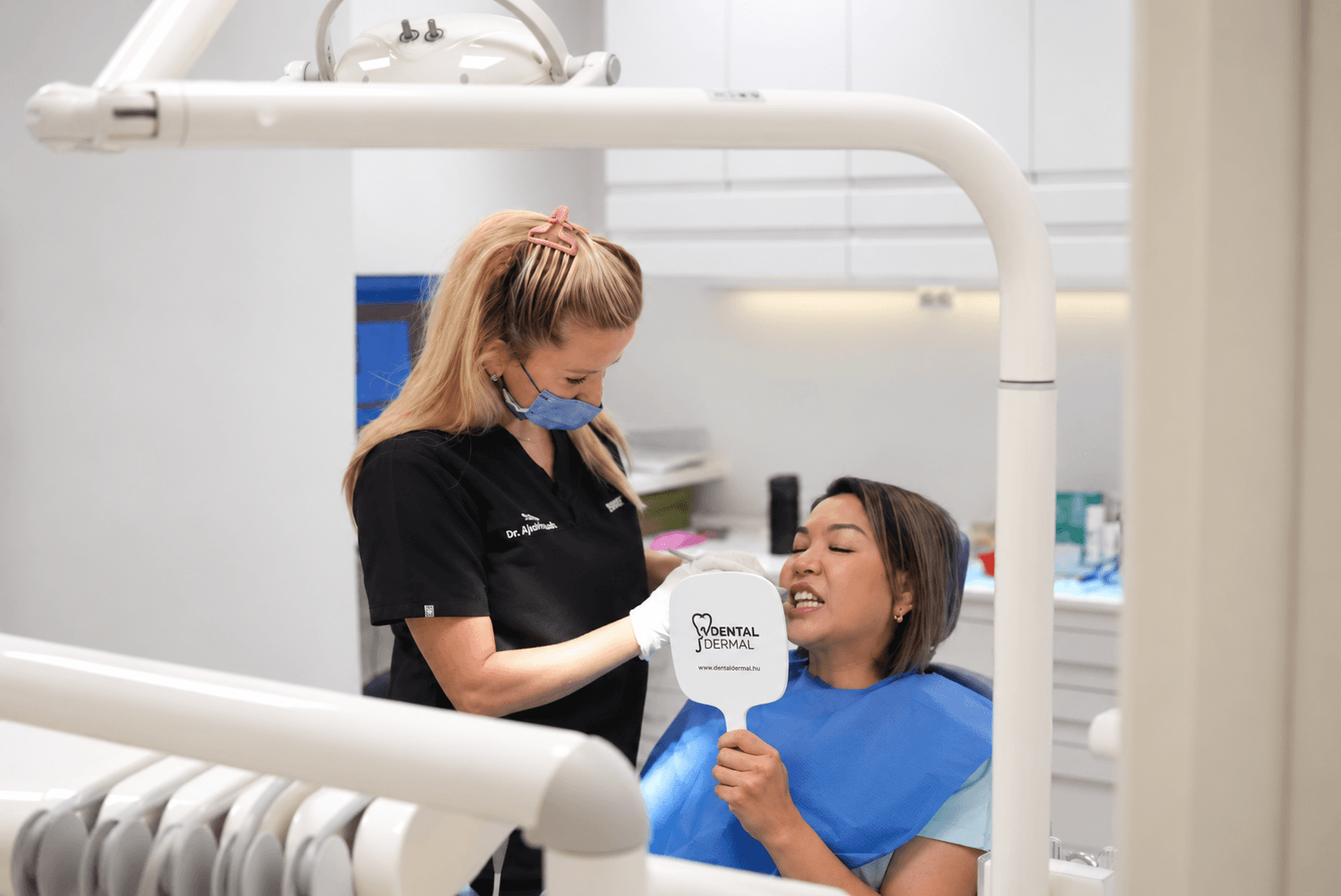
Guided Biofilm Therapy (GBT) is a modern, evidence-based approach to professional dental cleaning. Developed by EMS, the protocol follows eight clinically documented steps to remove biofilm, bacteria and tartar with maximum effectiveness and minimum discomfort.

Prophylaxis
Preventive care is the single most important thing we do together. Regular check-ups and professional cleaning reduce your risk of dental disease and help you avoid costly, complex treatment down the road.
Dental Fillings
Dental fillings repair teeth damaged by cavities, fractures or worn-out restorations. We use modern, tooth-coloured materials - composite, glass ionomer cement (GIC) and porcelain - to restore function and appearance seamlessly.

Book your appointment, today.
Online booking - you choose the day and time that suits you.