 ← All dental treatments
Dental Fillings
Dental fillings repair teeth damaged by cavities, fractures or worn-out restorations. We use modern, tooth-coloured materials - composite, glass ionomer cement (GIC) and porcelain - to restore function and appearance seamlessly.
Cavities - dental caries - are the world's most common non-communicable disease, according to the World Health Organization. They occur when acids produced by oral bacteria dissolve tooth enamel and the underlying dentine. Left untreated, a cavity grows larger, eventually reaching the nerve and causing pain, infection and, in some cases, tooth loss.
Teeth can also need filling after fractures, excessive wear or the breakdown of old restorations. Whatever the cause, early treatment is simpler, more comfortable and more affordable than waiting until the damage is advanced.
Since 2008, amalgam (silver-mercury) fillings have been banned in Norway. Today, the most common restorative material is composite resin - a tooth-coloured material that bonds directly to the tooth and can be sculpted to match its natural contour. For larger cavities, glass ionomer cement (GIC) or custom-made porcelain inlays may be recommended for added strength and durability.
At Dental & Dermal, we take care to match the shade, shape and translucency of your natural teeth so the filling is virtually invisible. Every restoration is finished and polished to a smooth surface that resists staining and feels comfortable in your bite.
Prevention
- 01
Examination and diagnosis
Your dentist examines the tooth clinically and, if needed, takes a digital X-ray to determine the extent of the cavity or damage.
- 02
Anaesthesia
A local anaesthetic is applied to ensure you feel no pain during the procedure. For very small fillings, anaesthesia may not be necessary.
- 03
Preparation
Decayed or damaged tooth structure is carefully removed, preserving as much healthy enamel and dentine as possible.
- 04
Filling placement
The chosen material - composite, GIC or porcelain - is placed in layers, shaped to match the tooth's natural contour and hardened with a curing light.
- 05
Finishing and bite check
The filling is polished to a smooth, natural-looking finish and your bite is checked to ensure comfortable, even contact.
How long does a composite filling last?
With good oral hygiene and regular check-ups, a well-placed composite filling typically lasts 7–15 years. Larger fillings or those in high-stress areas may need replacement sooner.
Does getting a filling hurt?
No. We use a local anaesthetic to ensure the procedure is painless. You may feel slight pressure, but you should not experience pain at any point.
Can I replace my old amalgam fillings?
Yes. We routinely replace amalgam fillings with tooth-coloured composite or porcelain restorations. We follow strict safety protocols for amalgam removal to minimise mercury exposure.
What is the difference between composite and porcelain?
Composite is placed directly in the tooth in a single visit. Porcelain inlays are custom-fabricated in a dental laboratory, offering superior strength and aesthetics for larger cavities. Your dentist will recommend the best option for your situation.
How do I know if I have a cavity?
Early cavities often have no symptoms. That is why regular check-ups with X-rays are essential. As a cavity grows, you may notice sensitivity to sweet, hot or cold foods, visible discolouration, or a rough spot on the tooth surface.
Other ways to healthy teeth, kept that way.
Guided Biofilm Therapy
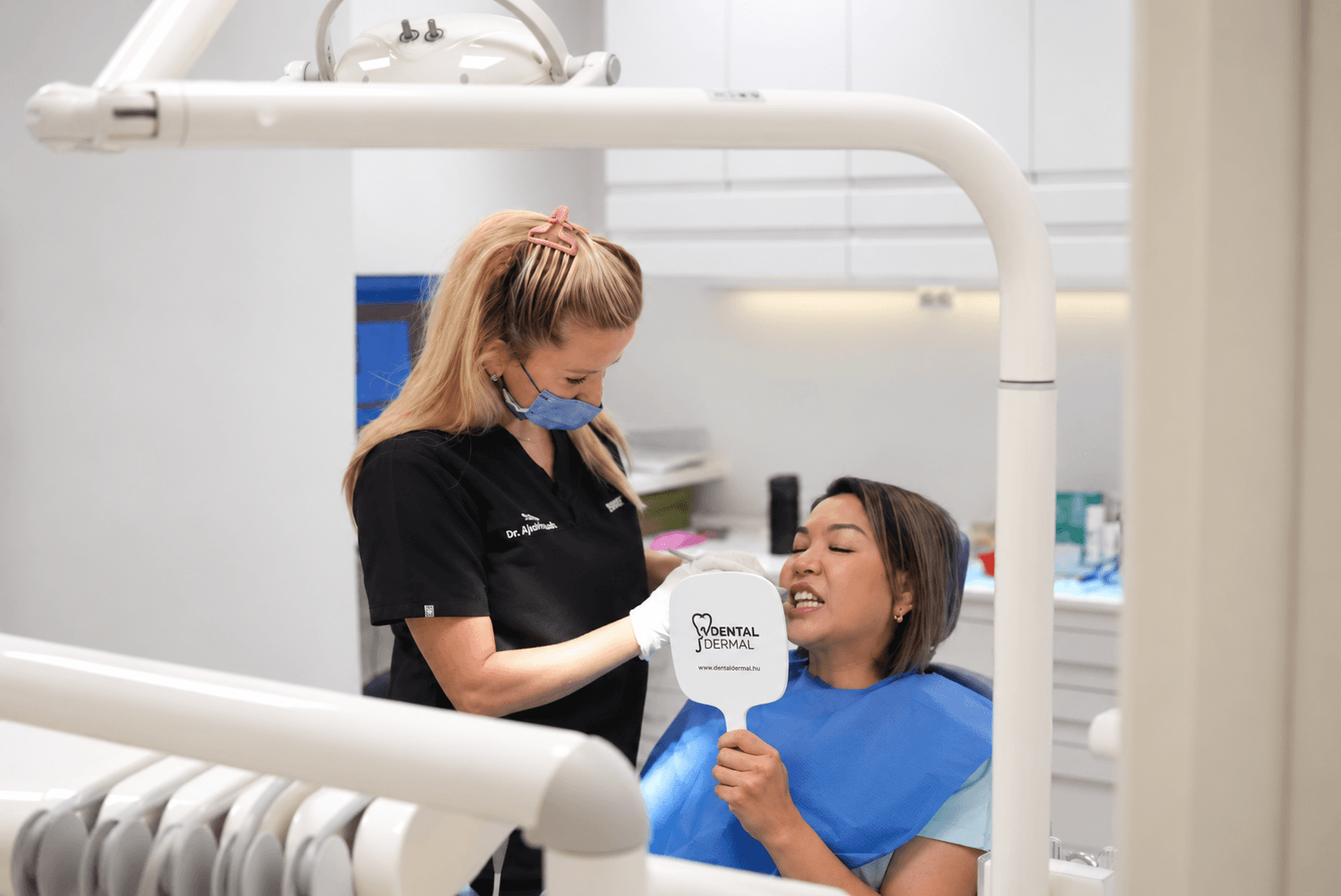
Guided Biofilm Therapy (GBT) is a modern, evidence-based approach to professional dental cleaning. Developed by EMS, the protocol follows eight clinically documented steps to remove biofilm, bacteria and tartar with maximum effectiveness and minimum discomfort.
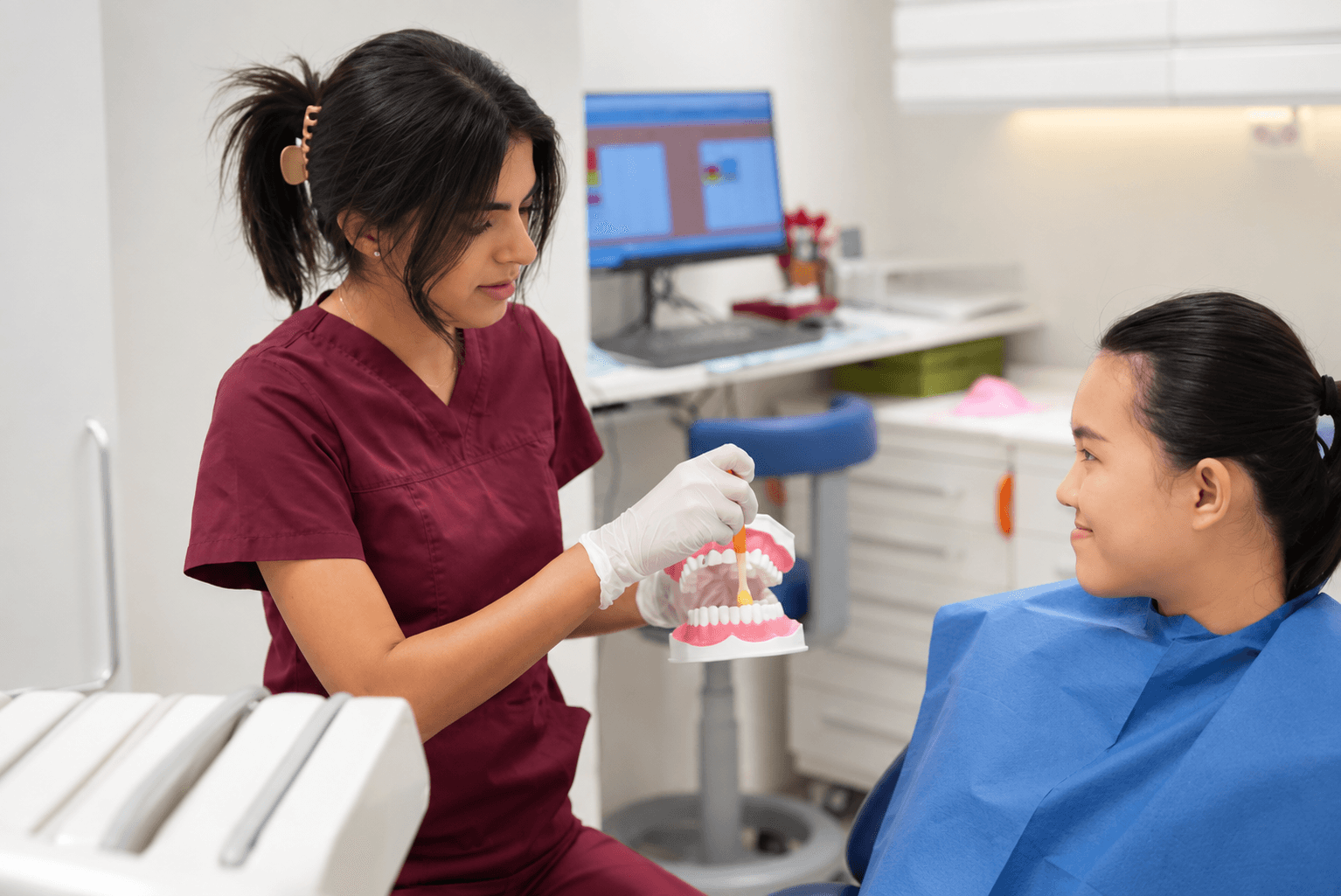
Prophylaxis
Preventive care is the single most important thing we do together. Regular check-ups and professional cleaning reduce your risk of dental disease and help you avoid costly, complex treatment down the road.
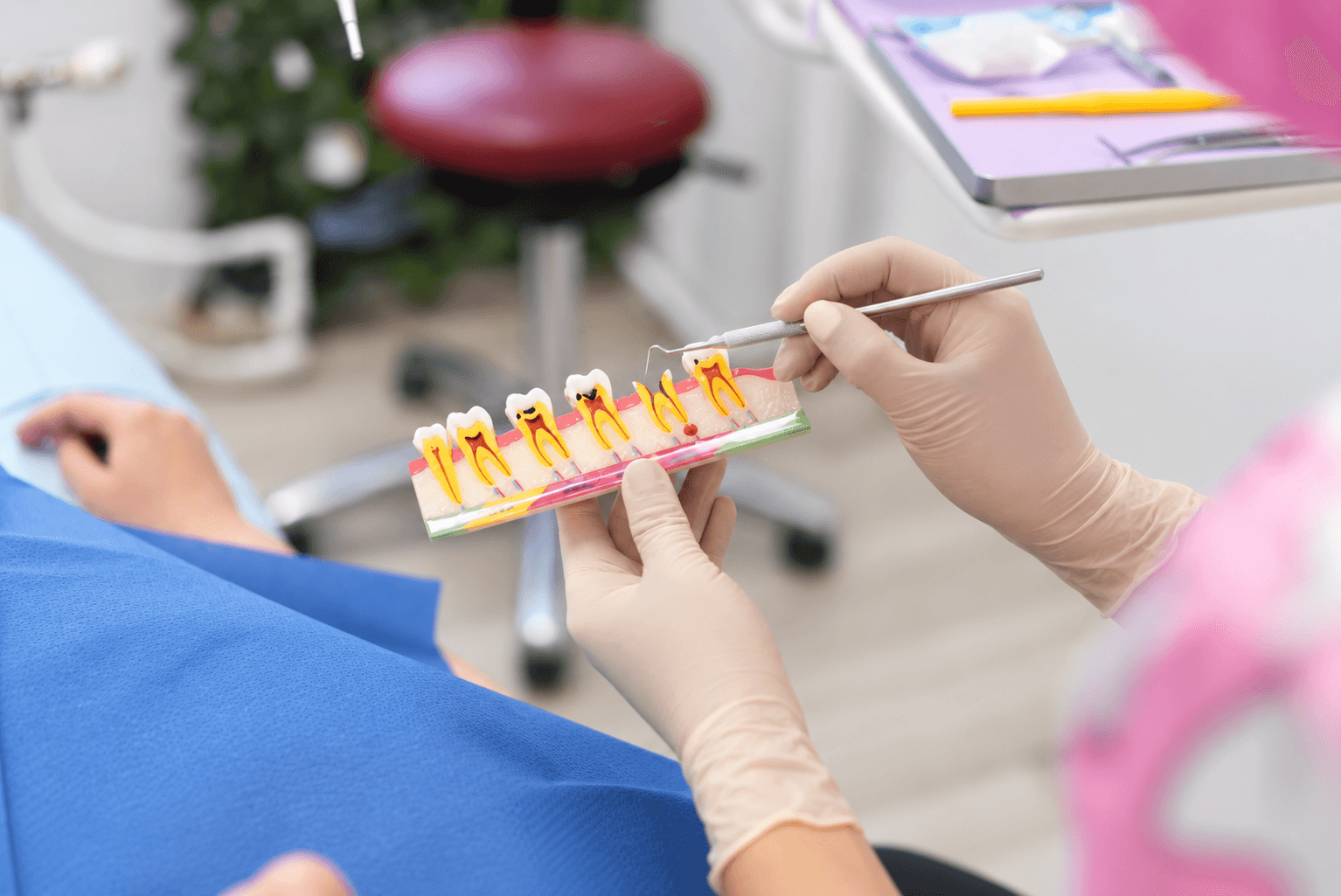
Periodontal Treatment
Gum disease is one of the most common chronic conditions in adults - and one of the most treatable when caught early. We offer thorough periodontal assessment, deep cleaning, root planing and structured maintenance programmes to halt disease progression and preserve your teeth.

Book your appointment, today.
Online booking - you choose the day and time that suits you.